House builders facing curbs on construction of ‘rabbit hutch’ homes

Housebuilders could be forced to design and build homes with larger rooms under proposals to end the current trend of “rabbit-hutch” cramped estates. On Tuesday communities minister Don Foster, is launching the space consultation, which in a trade-off for larger homes, will also reduce certain requirements imposed on house builders with up to 90 housing standards being scrapped and 1500 pages of guidance reduced to less than 80.

Mr Foster confirmed to the Financial Times that there were no regulations regarding minimum space standards in the UK, outside London. 
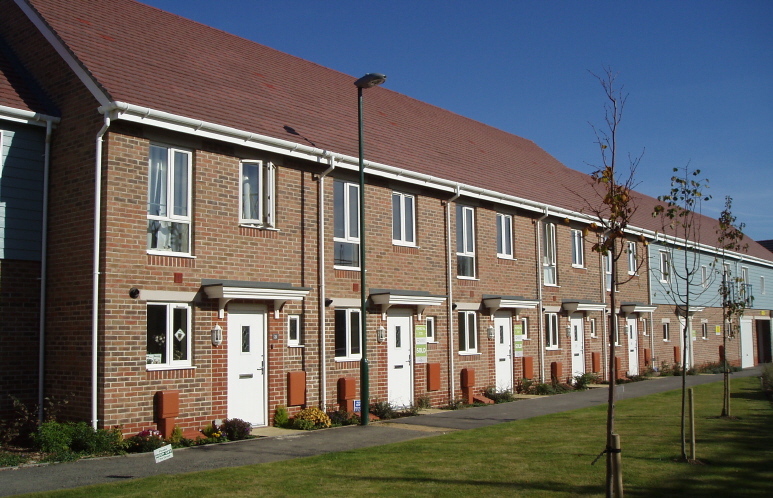
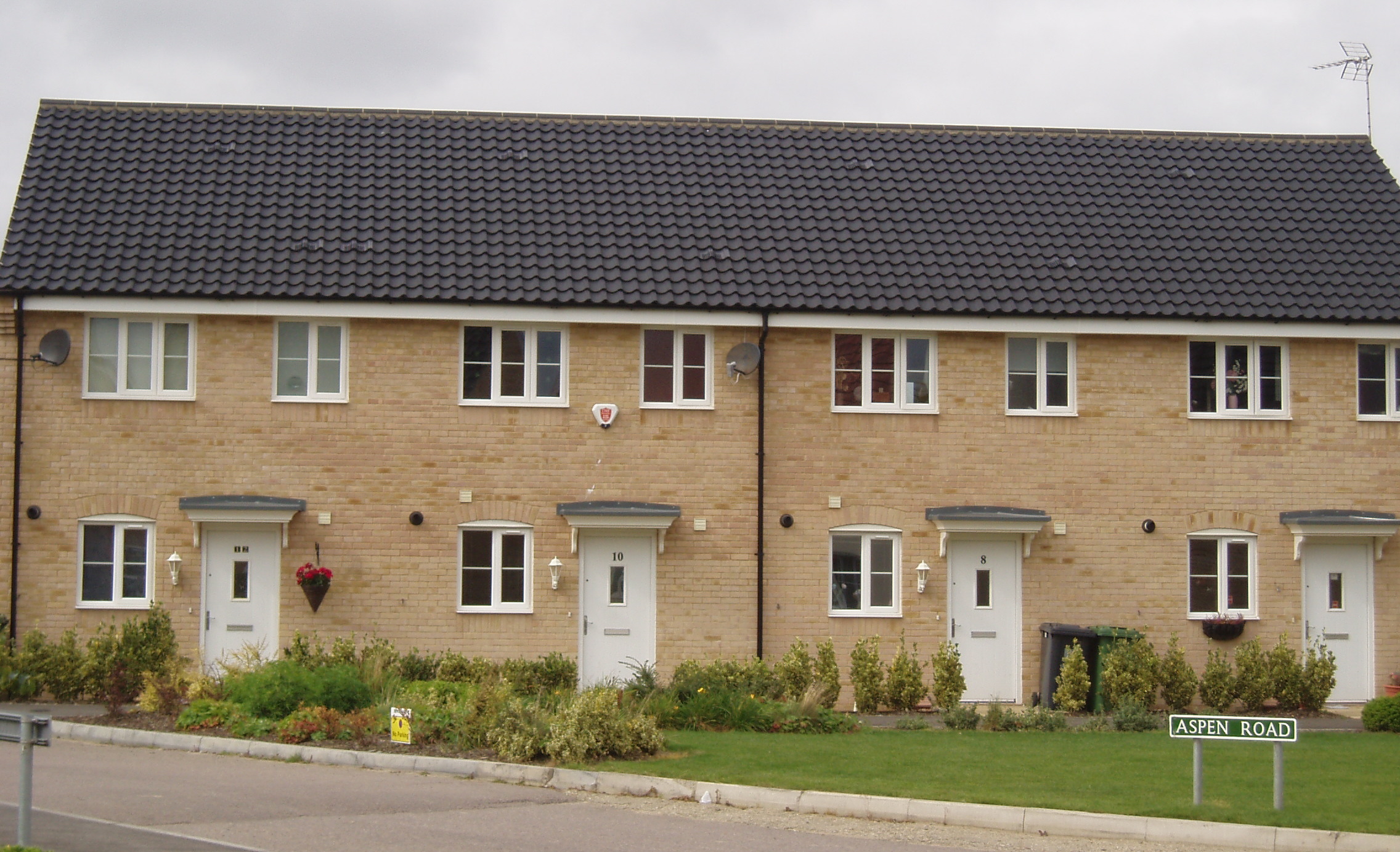
Typical small narrow small new UK homeA typical British new home is now nearly 50% smaller than a similar home built 80 years ago. In a relentless drive for ever higher profits, builders are reducing plot sizes and increasing densities, which has resulted in UK new homes being the smallest in Western Europe. Small dark UK new homes not only making us unhappy but can also make us ill. 

As the RIBA Case for Space notes the average UKTypical 1920's semi one bedroom flat is about the same size as an a London tube carriage. The average UK new home is just 818sq ft. New homes in Ireland have 15% more space and in Denmark, the average new home is 80% bigger than its UK equivalent.
It is well known for years that house builders have used tricks to give the impression the show homes are larger than they really are and developers have been forced to deny the practice. 

It is hoped that the consultation on minimum space standards will be viewed by as pay back for the Help-to-Buy bonanza that is creating record profits for house building industry from the taxpayer-funded subsidies. 

On Monday, Bovis reported first half pre tax profits up 20% year-on-year to £19m. A day later Persimmon reported a rise in pre tax profit of 40% to £135m. No doubt their 1700 Help to Buy reservations since the scheme was launched in April, contributed to the 7% year-on-year increase in legal completions. 

In March, Eric Pickles, the communities secretary, said families had been “trapped in rabbit hutch homes” due to density targets of at least 30 homes per hectare imposed by the previous Labour government. However he failed to acknowledge that it was the Thatcher government that abolished minimum space standards for new homes 1980. Many home buyers are being put off by the small size of new homes. 

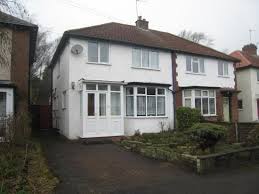
According to a survey by the Royal Institution of British Architects (RIBA), in 1920, the average semi-detached new home had four bedrooms and was 1,647 sq ft. Today’s new build semi is a three bedroom house of just 925 sq ft. It is the same picture for terraced new homes which are now typically two bedroom and just 645 sq ft, 37% smaller than the three bedroom 1025 sq ft terraced home built in the 1920’s. 

Harry Rich, chief executive of RIBA, has welcomed the review. “Our public research has repeatedly revealed that space in new homes is a major concern, our surveys have revealed that 60 per cent of people who would not buy a new home said the small size of rooms was the most important reason.” 

The consultations will take place until 22 October 2013. Whether organisations representing the house builders such as the HBF agree and house builders increase the size of new homes, without increasing prices to maintain profit margins, remains to be seen.


Share this:
Share this page via Email Share this page via Stumble Upon Share this page via Digg this Share this page via Facebook Share this page via Twitter

House builders continue to refuse access to snagging inspectors.

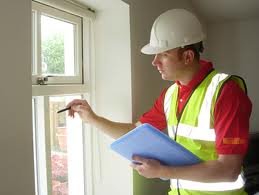
Snagging inspectorIt is a sad fact that the practice of house builders denying access to professional snagging inspectors appointed by homebuyers before legal completion is an all too common occurrence. This is an issue for many new home snagging inspectors, I know of one who often travels large distances to inspect a client’s new home only to be refused access when he arrives on site, at least in the first instance.

Quite why house builders and more likely, their site managers would do this is auntitled mystery. The professional snagging inspector is actually doing part of site manager’s job for them. What harm can be done by receiving a detailed logical list of items that require attention before the buyer moves into their new home.

It is far easier for the site management to rectify any snagging issues beforehand, without having to worry about access, keys, appointments, trades not turning up, damage to home owner’s carpets and furniture – all are a potential issue after the buyer has moved in. Indeed an unhappy customer is far more likely to go looking for snags and “find” even more problems with their home. They may even write and complain to the MD and/or CEO or post online!

So why are house builders being deliberately obstructive regarding snagging inspectors from the outset?

Have they got something to hide? Is the home nowhere near completed, even though the buyer has an “inspection visit” booked witht he house builder?

House builders and site managers should realise that the professional snagging inspection will be done anyway and any snags listed will still need to be rectified. The snagging inspector is far more likely to be more thorough and “go to town” on an inspection after being messed about and initially refused access.

A home buyers “inspection visit” is normally nothing more than a home “demonstration” by the site manager – when the buyer is shown things like how the heating works. Buyers are often rushed through room by room and not given enough time to properly inspect the finish and quality – something the inspector would be able to do!

Can house builders refuse access?

The Consumer Code for Home Builders states:

“5.2 Co-operation with professional advisers.”

“Requirement: The Home Builder must co-operate with appropriately qualified professional advisers appointed by the Home Buyer to resolve disputes.”

“Guidance: There should be proper, prompt and professional co-operation between you and the Home Buyer’s appropriately qualified professional advisers. Such advisers will include trading standards departments, Citizens Advice, consumer centres and professional advisers formally appointed under a relevant professional institute’s rules.”

It could be argued that Professional Snagging Inspectors could actually prevent disputes with house builders. Whilst the property is legally owned by the builder, they can control who they allow to have access. House builders can also play the health and safety card too, however, if it is safe for a home buyer to visit, it is safe for professional inspectors.

If your house builder is refusing your snagging inspector access to carry out his inspection, instruct your solicitor not to transfer the final payment and legally complete the purchase until you are fully satisfied with the quality and completeness of your new home. It is advisable to ask him to write to the house builder to confirm that legal completion will not take place until an independent snagging inspection has been carried out and all items in the report have been rectified.

My guess is that they will want their money and allow the inspector access.  House builders are required to carry out and remedy defects reported to them under the warranty for the first two years.

Share this:
Share this page via Email Share this page via Stumble Upon Share this page via Digg this Share this page via Facebook Share this page via Twitter

Ten reasons why buying a new home is a bad idea

1. New homes can be bad for your health : Despite the RIBA’s campaign, “A case for Space“, UK new homes today are the smallest in Europe. Add in the fact that house builders choose to use small windows reducing the amount of natural daylight. 

Small houses with small windowsnew home is bad for your health and has been linked to depression, immune system suppression and diabetes type 2; as well as adversely affecting internal organs.


2. Social housing : Most new developments require an allocation of social housing. Managed by housing associations for people on low incomes or benefits, these houses are often mixed in among the owner occupied houses.

3. Price : New homes are usually over-priced, much higher than comparable older homes, which nearly always offer better value.

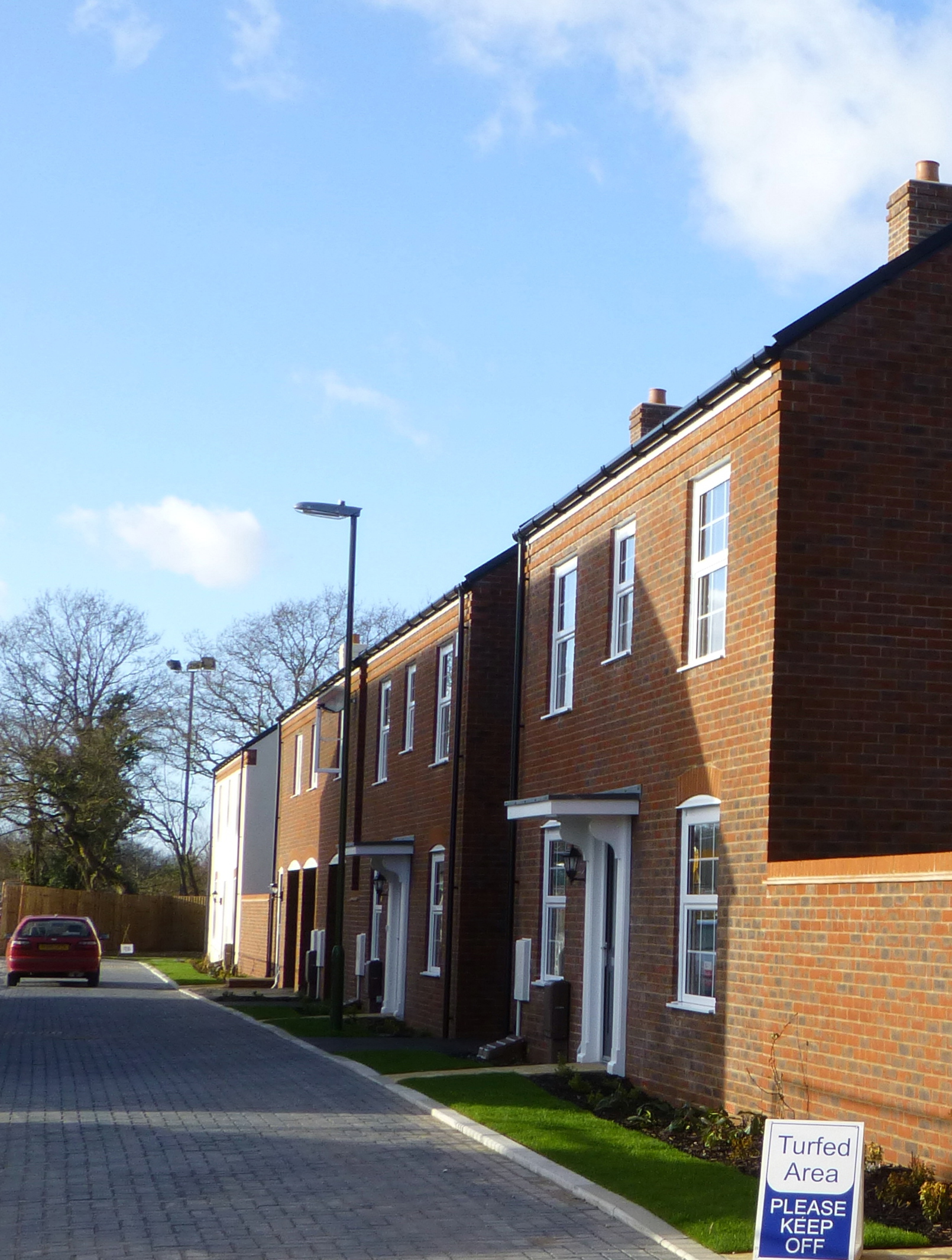
No front gardens4. No front garden : Most new homes have just a small strip of ground between the back of the estate footpath and the wall of the house, just enough to provide room for the gas meter box. The result is a lack of privacy as anyone walking by can look directly into your rooms. Using net curtains or blinds will make the rooms even darker. A 21st century Coronation Street”

5. Small rear gardens and overlooking : As densities increase year on year, the house builders use ever-imaginative methods to maximise the number of homes they can cram in per acre. This means rear gardens are normally very small, part of which may even be used as a driveway! Cramped developments mean overlooking, noise and potential disputes with neighbours as new homeowners are forced to live on top of each other “by design”.

6. Garages too small for an average family car :

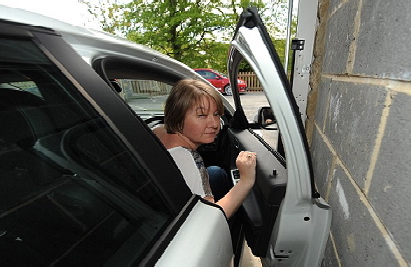
Garage small 3House builders tend to use the presumption that most people only use the garage for storage. Those that try to park their car in a new-build garage find they are too small and  impossible to get out of the car!

 7. Poor build quality and after sales service : Whatever any house builder may claim, the build quality of new homes built in the UK today is poor at best. In the HBF own customer satisfaction survey, 96% of new homes experience several defects in their new home. Despite the Consumer Code for Home builders, after sales customer service has not improved to any degree, builder are still misleading buyers all of which result in many new home buyers living to regret buying a brand new home.

8. Lack of parking : With narrow estate roads and shared driveways favoured by house builders to maximise the number of homes parking is at a premium. Whilst there may well be parking allocation of one car per home, there is often insufficient parking for additional cars and for visitors.

9. More difficult to re sell : Re selling is not something new homebuyers normally give any consideration to but they should! New homes, or at least those built since 2003, are more difficult to sell and take longer to sell than older homes. One reason is that around 3 in every 4 potential house buyers wouldn’t even consider a home built after 2003.

10. Low grade land : Many new homes are built on low grade, brownfield land, or previously contaminated land. Some new homes are even built on land that is at risk of flooding.

Share this:
Share this page via Email Share this page via Stumble Upon Share this page via Digg this Share this page via Facebook Share this page via Twitter

Are annuities really the best option for your pension pot?

Insurance companies and pension advisors are keen to push retirees towards buying an annuity with their pension pots. This is not that surprising given the commissions advisors receive and the huge profit annuities generate for the insurance industry. Standard Life for example makes 18.6% each year on retirees pension annuities. The other providers are not telling!

Only those who live to a ripe old age (beyond 85) are likely to benefit from buying an annuity when they retire. At that age, realistically what will you be spending your money on? 

Reason why annuities are not such a good idea

1) Annuity rates have fallen by 20-30% since 2010. Buying now, or in the near future will mean you are getting up to a third less for life, than you could have got in 2010. On a £100,000 pension pot that is around £2,908 a year – a massive £58,160 over 20 years!

2) Once you have bought an annuity that’s it, you cannot change it or access the money.

3) When you die your pension pot goes to the insurance company, not your heirs. Unless guaranteed for a certain minimum number of years, annuity payments will stop.

4) Annuities are poor value.

Someone buying an annuity at 65 would need to live to 82 (17 years) just to get their money back in nominal terms, that’s not allowing for inflation, or the investment returns the insurance company will be making on your pension pot. For example: a 65 year-old male non-smoker in good health would get just £5,816 with a £100,000 pension pot at today’s rates.  

It is even worse if you opt to “index link” your annuity to the RPI “to safeguard against the effects of inflation.” Our 65 year-old man would receive just £3,370 per annum now. With most providers it will take around 16 years just to ‘catch up’ with the initially higher, level annuity rate, our 65 year-old would be 81 before any he receives any additional financial benefit from an index linked annuity. 

Income Drawdown

For many, income drawdown is a much better option. The same £100,000 fund would provide annual payments of £6,960. Even if there were no income at all, which is unlikely, it would take 14 years to deplete the pension pot completely. If you die in the meantime, any remaining pension pot is transferred to your estate, not an insurance company.

Always take the 25% tax-free lump sum. There are moves to limit this to £36,000 and it may even be withdrawn altogether in the future.

It important that people get proper independent financial advice before making a decision and especially before committing their pension pot forever by buying an annuity.

Share this:
Share this page via Email Share this page via Stumble Upon Share this page via Digg this Share this page via Facebook Share this page via Twitter

Buyers should not rely on ultra low interest rates

In June, The Daily Telegraph asked Zoopla to find out: “How much would mortgage interest rates have to rise before it would be cheaper for the average homeowner, to rent a comparable property than to pay their mortgage?” Zoopla suggest that the average mortgage rate would have to rise by just 0.69%, an £80 increase, bringing the total cost to £668 a month, beyond this, renting is cheaper than buying a comparable property.

Most people realise that future house price, especially over the medium term, are not an upward one-way bet. But many people regard paying rent as dead money and the British have strong desire to own their own home.

For sale board 2Already there are signs that the Funding for Lending and Help to Buy schemes are inflating the property market. Demand is outstripping supply as would be buyers are concerned that they may lose out if they wait. But buyers will be paying prices that have not corrected since the last credit-fuelled boom because BoE policy has kept interest rates artificially low for four years.

So despite Mark Carney’s ‘forward guidance’ assurances that interest rates will remain at the current low 0.5% base rate for the next three years, this cannot, and was not, guaranteed. Earlier this year the Bank of England had forecast that millions of households would be plunged into crisis by even a small rise in interest rates. According to the BoE, even if rates increased by only 1% to 1.5%, 9% of mortgage borrowers would feel the pinch. If interest rates rose by 2%, one in five households would have to cut spending or work more hours, as repayments on the average £160,000 home loan would rise by £2,200 a year (£183 a month).

With 2-year fixed rates as low as 1.5%, savers have little choice but to hand over their money virtually interest-free, to subsidise borrowers buying homes they cannot really afford at inflated prices you would think the government could see what is coming. Higher interest rates, falling prices, mortgage arrears, widespread negative equity and homes being repossessed and recession. But this will probably be after the 2015 election so that’s all right then!


Share this:
Share this page via Email Share this page via Stumble Upon Share this page via Digg this Share this page via Facebook Share this page via Twitter

OFT advice on buying from door step traders

The Office of Fair Trading Top Ten Tips: Buying wisely and safely on your doorstep or in your home.

door step sellingMany people who sell things on the doorstep, on the phone and even in your home are legitimate traders, but unfortunately some aren’t. Rogue traders may use illegal pressure selling tactics to make people buy and they can ignore their legal rights. The Office of Fair Trading has developed ten top tips to help you buy safely and with confidence on your doorstep – and to help you say ‘no’ when you need to. The brand-newhomes.co.uk website has a 22-point checklist when choosing a tradesman.

1. Don’t sign on the spot

Don’t feel pressured to agree on the spot- if you are interested in what they are selling, you can ask them to come back at another time that is more convenient for you, maybe when you have someone else with you or you’ve shopped around.

2. Check the trader’s identity

Always ask for an identity card and look up the organisation to check the salesperson’s identity is genuine. Don’t use the number on their card. Check if the trader is a member of a reputable trade body, like the Direct Selling Association, whose members should ensure their salespeople sell responsibly.

3. Be wary of special offers or warnings about your home

Don’t get taken in by sales banter or high pressure selling techniques. Don’t be hurried into a decision even if there is a discount. The discount might be on a price that is too high in the first place.

4. Always shop around for the best price

Check with other companies offering the same product first. Make sure the price and product is right for you.

5. Read the small print

Always read documents carefully before you sign them and make sure you fully understand your rights. It’s best to ask salespeople to call back so you can do this in your own time – don’t be rushed into signing before you feel ready.

Continue reading

Share this:
Share this page via Email Share this page via Stumble Upon Share this page via Digg this Share this page via Facebook Share this page via Twitter

Government initiated house price bubble “perfect storm”

Britain’s housing boom is well underway thanks to the generosity of the British taxpayer! Not only is the Help-To-Buy scheme enabling house builders to help themselves to record profits, the Funding for Lending scheme is already cutting mortgage costs and increasing availability.

OLYMPUS DIGITAL CAMERAWhen you also consider Mark Carney’s recent ‘forward guidance’ statement regarding the intention to keep interest rates at the present record low levels until 2016, the UK housing market could be about to experience a house price boom ‘perfect storm’ – followed by a disastrous bust.

Historically, house prices are already high with price-to-earnings ratios close to levels that preceded the sub prime crash in the US. Recently, credit reference agency Fitch joined the increasing numbers of financial observers expressing concern. The International Monetary Fund, former BoE governor Mervyn King, his deputy Paul Tucker, Graeme Leach Chief Economist at the Institute of Directors and even the government’s own Business Secretary, Vince Cable said that he believes the ‘Help-to-Buy’ scheme could inflate the housing market and is worried the scheme “might backfire”.

For sale board 1Recently released official data shows house prices have risen 3.1% in the year to June, a rise on the 2.9% increase in the year to May; reflecting strong growth in house prices in England and Wales although prices in Northern Ireland and Scotland had fallen. According to the Halifax, one of the UK’s biggest mortgage lenders, house prices are rising at their fastest annual rate for nearly three years. Halifax says the average UK home now costs £167,984.

Help To Buy jpgSo surely when house prices are already rising and mortgage approvals are increasing month on month there is no need at all for Help-to-Buy (2) -the taxpayer backed mortgage indemnity scheme which will become available from 1st January 2014.

If mortgages are underwritten by the state, it has the potential to encourage reckless lending, which will drive up prices even further. By artificially inflating the housing market, the government is producing a national feel good factor, which is closely linked to positive moves in the polls, just in time for the 2015 election! Pushing up house prices and nationalising the lender’s risk for politically motivated reasons will saddle the nation with an extra £130bn of unnecessary and preventable debt.

Public Policy and the Past blogger says the Help to Buy scheme is “stupid, ridiculous, absurd, half-baked, disgusting, laughable, wrong-headed, and actually downright destructive.”

I would have to agree.

Share this:
Share this page via Email Share this page via Stumble Upon Share this page via Digg this Share this page via Facebook Share this page via Twitter

Architects in the UK launch campaign for more spacious homes

Everyone is aware that the UK needs hundreds of thousands of new homes in the next decade but little thought seems to have been given to the size and quality. Indeed, there is no national minimum standard for the size of a new home in England. This is worrying, according to the Royal Institute of British Architects (RIBA), which points out that the UK has the smallest homes in Western Europe.

Imagine living in a Jubilee Line tube carriage. It may sound far fetched, but 46 square meters, the size of a Jubilee Line carriage, is the size of the average one bedroom new build home being built in Britain, RIBA reveals in a new study; The Case for Space, the Size of England’s New Homes.

This kind of cramped, environment is a day to day reality for those living in many new build homes yet research also shows that space and light are the top things people care about when looking for new homes.

People are concerned about the space and natural light when they are looking for homes but these are not luxuries, they are basic needs which are proven to impact on our health, happiness and wellbeing.

In a few weeks’ time UK government will be making crucial decisions about the future of homes including minimum standards for space, energy, security and natural light. The Government’s Review of Housing Standards in England could result in the current meagre housing standards being reduced or even abolished, according to RIBA.

Continue reading

Share this:
Share this page via Email Share this page via Stumble Upon Share this page via Digg this Share this page via Facebook Share this page via Twitter

Persimmon escape prosecution after four-year-old boy died in defective new home

National house builder Persimmon, charged after a four-year-old boy was crushed by a fireplace fitted in one of their new homes, have escaped further action due to “inconsistencies” in the inquiry. 

Matthew Green, died from chest injuries when the fireplace stone mantel fell on him at the Persimmon-built family home in Towcester on 15 October 2005. He was taken to Northampton General Hospital by air ambulance, but later died from his injuries. 

Persimmon escape prosecution after the four-year-old boy died due to a defect in a new home they built.

The Health and Safety Executive (HSE) charged Persimmon Homes with a health and safety breach, which the company denied. An HSE spokesman confirmed “the charge against Persimmon has been dropped. It emerged there were inconsistencies in the way HSE had treated Persimmon Homes compared to other companies who had had fireplaces installed by Stonemason KD Childs. The decision was therefore taken to withdraw the charges against Persimmon Homes.” 

Matthew’s parents said they were “at a loss to understand” and felt “justice has not been achieved”. 
Kristian Childs, whose company KD Childs of Northampton fitted the fireplace, pleaded guilty in April 2012 at Northampton Crown Court. The court heard the fireplace was held in place with small patches of mortar, rather than proper metal fixings, and it came away from the wall. In June 2013 Mr Childs was fined £7,500 and also ordered to pay £2,500 costs in June 2013.

Speaking after the sentencing hearing, Alan Craddock, head of operations for the HSE’s Midlands construction division, said:

“This was a tragic incident, made so much worse by the fact it could have been so easily prevented. Mr Childs was well aware of the risks of falling fireplaces yet failed to take the correct steps to ensure the fireplace he fitted was safe, with appalling consequences.” 

A statement from the Green family said:

“We have been fighting for justice for Matthew for over seven years and major inconsistencies in the way in which HSE have investigated this case have ultimately led to this case being dropped. While we are grateful to HSE for pursuing the responsible parties, we do feel that had this been investigated in a different way then the charges against Persimmon Homes would not have been dropped. We will never get over the needless and preventable death of our son and do not feel that justice has in any way been achieved by this outcome.” 

Share this:
Share this page via Email Share this page via Stumble Upon Share this page via Digg this Share this page via Facebook Share this page via Twitter

House builders report profit rises due to Help to Buy

Help To Buy jpgAll is rosy for the house builders as they continue to pig out and increase their profits due to Help to Buy, the government’s taxpayer-funded subsidy for the house building industry.

Barratt announce profits up 72% and average selling price up 8%

Ahead of their end of year financing report, Barratt released a trading statement on 10 July 2013 stating that the number of completions to 30 June 2013 is forecast to be 13,663 – up 16.1% on last year. With the average selling price up 8% to £192,000, it is not surprising Barratt are anticipating operating profit (“before exceptional items”) to be up 32% to £252 million (10.4%) and profit before tax up a massive 72% on last year to £192million (9.7%) on sales of £2,605 million.  Barratt stated:

“that since the launch of Help to Buy on 1 April, net private reservations per active site per week were up 34.7% on the prior year” “We are targeting Group completion volumes of c. 16,000 units (including JVs) from our current structure, and recognise this may be achieved more quickly than previously anticipated reflecting the benefit of the Help to Buy scheme.”

Barratt have around 380 active developments nationally.

Taylor Wimpey report a 42% rise in profit and 7% rise in average selling prices

Yesterday, Taylor Wimpey reported first half 42% rise in profit before tax of £143.1 million, up from £99.1 million a year earlier. Despite only building only 5191 new homes up just 108 in the H1 period, their average selling price is up 6.8% to £188,000 (from £176,000) on the same period a year ago.

Taylor Wimpey also announced an interim dividend of 0.22p a share, up 16% from 0.19p a year ago.

Continue reading

Share this:
Share this page via Email Share this page via Stumble Upon Share this page via Digg this Share this page via Facebook Share this page via Twitter